|
||||||||||||||||
|
|
|
|
|
|
|
|
|
|
|
|
|
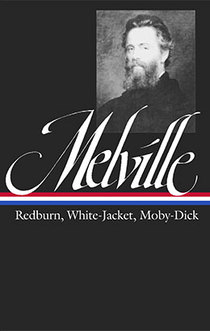
Herman MelvilleRedburn, White-Jacket, Moby-DickBetween 1849 and 1851, Melville wrote three masterful stories of the sea (including the classic Moby-Dick) that captured colorful and comic glimpses of shipboard life, the excitement of the whale hunt, and seascapes that move from the brutal to the sublime; they also displayed a marvelous command of language that mixes the ordinary talk of sailors with the rhythms of the Bible and Shakespearean hyperbole. Together the works in this Library of America volume reveal Melvilles obsession with the possibilities of human freedom, the sacrifice of that freedom to the demands of social cohesion, and the submission of social groupsrepresented by the shipboard communityto traditional forms of authority. Redburn, His First Voyage has long been one of Melvilles most popular works. A first-person account of a young mans coming of age, his initiation into the life of sailors, and his exposure to the slums of Liverpool and the gaudy opulence of London gambling houses, Redburn narrates the adventures of innocence abroad in a world of vice, brutality, and deception. White-Jacket is a semi-autobiographical work about an episode in Melvilles life when, finding himself on the beach in the South Seas, he enlisted in the U.S. Navy for the voyage round the Horn and home. This story dramatizes the brutal practice of flogging, and the public outcry it engendered led finally to the abolition of such punishments by the Navy. Subtitled The World in a Man-of-War, White-Jacket explores the warship as a microcosm of human society. Although Melville chafes at the annoyances of bureaucratic discipline and official ineptitude, he retains his humor, his eye for the absurd, and his pride in the democratic good-fellowship of his mess-mates. Explosive adventure and a dazzling play of metaphor combine to make Moby-Dick one of the great epics in all of literature. Captain Ahabs hunt for the white whale drives the narrative at a relentless pace, while Ishmaels meditations on whales and whaling, on the sublime indifference of nature and the grimy physical details of the production of oil, provide a reflective counterpoint to the headlong idolatrous quest. Sometimes read as a terrifying study of monomania or as a critical inquiry into the sinister effects of making life into symbols, Moby-Dick also offers the more immediate pleasures found in the two earlier novels. G. Thomas Tanselle, volume editor, has written on bibliography and publishing history, is an editor of the Northwestern-Newberry Edition of The Writings of Herman Melville, and serves on the board of directors for The Library of America.
Also by Herman Melville: Save $35 when you buy all three Melville volumes
Also of interest:
Copyright 1995–2011 Literary Classics of the United States, Inc. |
|
List price: $40.00
Web store price: $32.00
Free shipping in the U.S.
Phone orders: 1-800-964-5778
Request product #200099
Subscription Account Holders: Buy the cream-slipcased edition at the
Customer Service Center.
Booksellers/Libraries: LOA books are distributed worldwide by the Penguin Group.
ISBN: 978-0-94045009-7
1436 pages |